
Table of Contents
- Formula Roofing vs Core Roofing: Service Scope and Specialization
- Residential and Commercial Roofing Services
- Storm Damage, Hail Damage, and Insurance Claims
- Roofing Warranties and Workmanship Guarantees
- Roofing Contractor Comparison Checklist
- Questions to Ask a Roofing Contractor
- How to Evaluate Formula Roofing vs Core Roofing Estimates
- Making Your Final Decision
- Frequently Asked Questions
Last Updated: October 14, 2026
Formula Roofing vs Core Roofing: Service Scope and Specialization
When comparing roofing contractors in the Denver area, understanding what each company specializes in makes a real difference in your project outcome. Formula Roofing vs Core Roofing represents a choice between two local options, but the decision goes deeper than just names, it’s about service scope, expertise, and how well a contractor aligns with your specific needs.
Both companies serve residential and commercial properties, but their approaches to residential roofing services, commercial roofing services, and specialized work like storm damage restoration vary in meaningful ways. One contractor might excel at large commercial projects while another focuses on residential roof replacement and storm restoration. At Sunset Restoration, we’ve found that homeowners benefit most when they match their roofing contractor’s core strength to their actual project type.
The real distinction between Formula Roofing vs Core Roofing often comes down to how much experience each has with insurance claims, which materials they prefer, and whether they handle related services like siding, windows, and gutters under one roof. A contractor skilled in residential roof repair might not have the equipment or crew size for commercial roofing systems. This matters because it affects timeline, quality, and how smoothly your project runs.
Before comparing any two contractors, ask what percentage of their work falls into your project category, residential repairs, full replacements, commercial systems, or storm restoration. A contractor’s primary focus often predicts their quality in that area.
Residential and Commercial Roofing Services
The scope of residential roofing services differs significantly from commercial roofing services in terms of materials, complexity, and labor. Residential projects typically involve asphalt shingles, concrete tile, clay tile, or synthetic slate on pitched roofs (Roofing Materials). Commercial roofing systems often use flat or low-slope designs with different material requirements, TPO, EPDM, metal panels, or modified bitumen.
Formula Roofing vs Core Roofing both claim to handle both markets, but the depth of experience matters. A contractor that builds its reputation on residential roof replacement may struggle with the structural demands of a commercial flat roof system.
Sunset Restoration specializes in both residential and commercial re-roofing and roof replacements, with more than 10 years of experience managing projects across the Denver metro area. We’ve learned that residential customers prioritize workmanship quality and communication, while commercial property managers care about minimal downtime and system performance guarantees.
The materials themselves tell a story. Asphalt shingles dominate residential work because they’re affordable and familiar. Synthetic slate and synthetic shake offer premium aesthetics for homeowners who want durability without the weight of real slate or wood.
Storm Damage, Hail Damage, and Insurance Claims
Storm damage and hail damage are where contractor expertise becomes immediately visible. A hailstorm doesn’t just dent a few shingles, it can compromise the integrity of your entire roofing system, creating hidden leaks that emerge weeks later.
When a roofing contractor helps with insurance claims, they’re doing more than just filing paperwork. They’re documenting damage, communicating with adjusters, advocating for full coverage, and ensuring the insurance estimate matches the actual work needed. Some adjusters issue lowball estimates.
Formula Roofing vs Core Roofing both operate in a market where storm damage claims spike after hail events. This means both companies likely have experience with the claims process. However, experience varies widely.
At Sunset Restoration, we provide expert insurance claim assistance and advocacy. We help from the initial roof inspection through completion, so our customers understand their options and know what to expect.
The difference between a good and mediocre claims experience often comes down to whether the contractor will actually fight for you. Will they attend the adjuster inspection? Will they provide detailed photos and documentation? Will they explain why their estimate differs from the insurance company’s if there’s a gap?
Beware of contractors who pressure you to sign before the insurance adjuster visits, or who guarantee they’ll “beat” the insurance estimate by a specific amount. These are red flags for potential insurance fraud or unrealistic promises.
Roofing Warranties and Workmanship Guarantees
A warranty is only as good as the company backing it. This is where roofing warranties and workmanship guarantees become critical evaluation criteria. Many homeowners focus on the manufacturer’s warranty, which covers defects in the shingles or roofing materials themselves, but miss the workmanship warranty, which covers installation quality.
A manufacturer might guarantee asphalt shingles for 20 years, but if the roofer installs them incorrectly, that warranty often becomes void. Workmanship guarantees are what protect you from poor installation. A five-year workmanship warranty is standard. Ten-year guarantees are stronger. Some contractors offer lifetime workmanship warranties, though this claim deserves scrutiny, what does “lifetime” actually cover, and under what conditions?
When evaluating Formula Roofing vs Core Roofing, ask for their written warranty terms. Specifically:
- How long is the workmanship warranty?
- What does it cover (labor, materials, both)?
- Are there exclusions (weather events, improper maintenance)?
- Is the warranty transferable if you sell your home?
- Who honors the warranty if the company goes out of business?
Manufacturer certifications matter too. Many roofing material manufacturers have preferred contractor programs. These contractors receive training, use approved installation methods, and often provide enhanced warranties. A contractor certified by Owens Corning, GAF, or other major manufacturers shows commitment to quality standards.
Sunset Restoration stands behind our workmanship with clear warranty terms because we believe in doing business with integrity. We explain warranty coverage upfront so you know exactly what’s protected and for how long. This transparency prevents surprises down the road.
Roofing Contractor Comparison Checklist
When you’re narrowing down between Formula Roofing vs Core Roofing or any other local contractors, use this structured checklist to evaluate them fairly:
| Evaluation Criteria | What to Look For | Why It Matters |
|---|---|---|
| Years of Experience | 10+ years in residential/commercial roofing | Experience predicts problem-solving ability |
| Insurance & Licensing | Current license, liability insurance, workers’ comp | Protects you legally if accidents occur |
| References & Reviews | 3+ verifiable customer references, BBB rating | Shows track record with similar projects |
| Storm/Insurance Experience | Documented claims assistance, adjuster communication | Critical for hail and storm damage projects |
| Material Options | Multiple roofing materials offered, not just one | Gives you choices matching your budget and aesthetic |
| Warranty Details | Written workmanship warranty, manufacturer certifications | Protects your investment after installation |
| Communication Style | Responsive to calls/emails, explains options clearly | Reduces stress and prevents misunderstandings |
| Local Presence | Established service area, not traveling from far away | Easier follow-up if issues arise post-installation |
This checklist helps you move beyond brand names and marketing claims to actual capability. A contractor that checks all these boxes, especially experience, insurance, and communication, is worth serious consideration.
Questions to Ask a Roofing Contractor
The questions you ask reveal whether a contractor truly understands your project or is just trying to close a sale. Here are the questions that matter most when evaluating roofing contractors:
About Their Experience:
- “How many residential roof replacements have you completed in the last two years?”
- “What’s your experience with [specific material you’re considering, asphalt shingles, metal, tile]?”
- “Have you worked on homes similar to mine in this area?”
About Storm Damage and Insurance:
- “If I have hail damage, will you help me file an insurance claim?”
- “Will you attend the adjuster inspection and advocate for adequate coverage?”
- “What happens if the insurance estimate is lower than your estimate?”
About Warranty and Protection:
- “What’s your workmanship warranty, and what does it cover?”
- “Are you a certified preferred contractor with any material manufacturers?”
- “If I sell my home in five years, is your warranty transferable?”
About the Project Process:
- “How long will the job take, and what’s your weather contingency plan?”
- “Will you pull permits, or is that my responsibility?”
- “How do you handle cleanup and debris removal?”
- “What’s your payment schedule, deposit, progress payments, final payment?”
About Their Business:
- “How long have you been in business, and are you locally based?”
- “Can you provide three customer references I can contact?”
- “What’s your BBB rating, and are there any outstanding complaints?”
These questions aren’t meant to be confrontational. A professional contractor welcomes them because they show you’re serious and informed. Vague answers or defensiveness is a warning sign.
How to Evaluate Formula Roofing vs Core Roofing Estimates
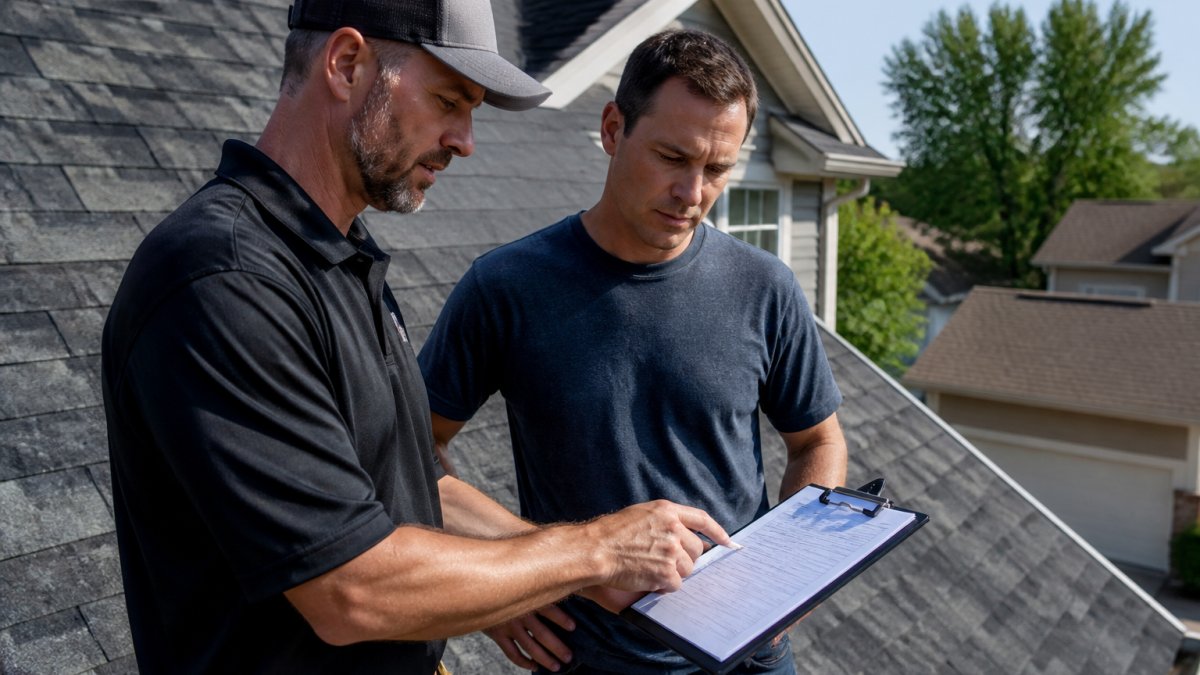
When you get estimates from Formula Roofing vs Core Roofing or other contractors, don’t just compare the bottom-line price. A detailed estimate tells you whether the contractor understands your project and plans to do it right.
A strong estimate includes:
- Specific roofing materials listed by brand and grade
- Detailed labor scope (tear-off, disposal, installation, flashing, ventilation)
- Timeline and weather contingencies
- Warranty terms in writing
- Permit and inspection responsibilities
- Payment schedule and terms
- Cleanup and debris removal specifics
Compare line-by-line, not just totals. If one estimate is significantly lower, ask why. Is the contractor using lower-grade materials? Cutting corners on flashing or ventilation? Planning to skip proper disposal of old materials? A price that seems too good is often a sign the contractor is planning to cut costs somewhere.
Red flags in estimates include vague language (“roof work”), missing details, or pressure to decide quickly. Professional contractors give you time to review and compare. They’re confident in their work and pricing.
When evaluating estimates, also consider the contractor’s communication during the estimate process. Did they listen to your concerns? Did they explain options? Were they transparent about costs? This interaction predicts how they’ll communicate throughout your project.
The lowest estimate isn’t the best estimate. The best estimate is detailed, transparent, and comes from a contractor who listens to your needs and explains their approach clearly.
Making Your Final Decision
Choosing between Formula Roofing vs Core Roofing ultimately comes down to which contractor demonstrates the combination of experience, communication, and commitment that matches your project needs.
Consider these final factors:
Alignment with your project type: If you need storm damage restoration, prioritize a contractor with documented insurance claims experience. If you want a specific roofing material, make sure they’re certified by that manufacturer.
Communication and transparency: You’re going to be working with this contractor for weeks. Choose someone who listens, explains clearly, and keeps you informed.
Local presence and stability: A family-owned contractor with deep roots in the Denver area is more likely to stand behind their work long-term than a transient company that disappears after the job.
Warranty and protection: Make sure you understand what’s covered and for how long. Ask for warranty terms in writing.
Flexibility and options: Whether you need financing, material choices, or timeline adjustments, a good contractor works with you rather than forcing you into their standard package.
At Sunset Restoration, we’ve built our reputation on doing exactly this, listening to homeowners, explaining options clearly, and delivering workmanship that lasts.
The decision is yours, but we’re here to help. Get a quote from Sunset Restoration and see how our approach to transparency, communication, and quality compares.
Choosing a roofing contractor is one of the biggest decisions a homeowner makes. The right contractor protects your investment, reduces stress, and delivers results that last.
Frequently Asked Questions
What should I compare when choosing between roofing contractors?
Focus on experience with your specific roofing type, warranty terms, insurance claim expertise, and customer reviews. Check whether they offer residential and commercial roofing services, verify their licensing and insurance, ask about their workmanship warranty, and compare their communication style and transparency. Request written estimates that detail materials, labor, and timeline so you can evaluate roofing contractors fairly.
How can I compare roofing estimates from different companies?
Ensure each estimate covers the same scope: materials, labor, removal of old roofing, and timeline. Ask whether the price includes manufacturer certification, preferred contractor status, and workmanship guarantees. Request itemized breakdowns so you understand what you’re paying for. Don’t choose based on price alone; the lowest bid may mean lower-quality materials or faster, less careful installation.
What should a roofing warranty cover?
A comprehensive roofing warranty should cover both manufacturer defects on materials and workmanship by the contractor. Check the warranty length, what it excludes (weather, improper maintenance), whether it transfers if you sell your home, and how claims are handled. Ask your roofing contractor whether they stand behind their work with a separate workmanship warranty beyond the manufacturer’s coverage.
What questions should I ask a roofing contractor before hiring?
Ask about their experience with your roof type, how they handle insurance claims, their warranty terms, licensing and insurance details, project timeline, and payment terms. Inquire whether they offer flexible financing for qualified homeowners, how they communicate during the project, and what happens if problems arise after completion. Request references and check their BBB rating and customer reviews.
