
Table of Contents
- Why Family-Owned Roofing Contractors Stand Out
- Personalized Customer Service and Direct Communication
- Local Knowledge and Community Accountability
- Quality Materials, Skilled Workmanship, and Faster Response Times
- How to Choose a Roofing Contractor: Verification and Trust
- Questions to Ask a Roofing Contractor Before Hiring
- Roofing Contractor Checklist and Roof Replacement Estimate Comparison
- Long-Term Value and Warranty Protection
- Frequently Asked Questions
Last Updated: October 21, 2026
Why Family-Owned Roofing Contractors Stand Out
When you’re facing roof damage or a replacement, who you hire matters more than most homeowners realize. Family-owned roofing contractors operate differently than national chains, and those differences show up in how they handle your project. At Sunset Restoration, we’ve seen how a family-owned approach changes the entire experience, from inspection through warranty follow-up.
The core difference isn’t sentiment. Family-owned roofing contractors carry deeper accountability. When a multi-generational business serving the same community handles your roof, the incentive to do it right the first time isn’t just financial, it’s personal. Your neighbors are their neighbors, and your satisfaction affects their reputation in ways it doesn’t for a contractor passing through after a storm.
This guide covers the real advantages of a family-owned roofing contractor, how to verify you’re getting what you pay for, and the questions and checklists that separate a solid contractor from one that disappears after the check clears.
Personalized Customer Service and Direct Communication
Family-owned roofing contractors typically offer personal attention larger operations struggle to match. When you call, you reach someone with decision-making authority who can answer your questions immediately, not an automated system or a dispatcher’s callback queue.
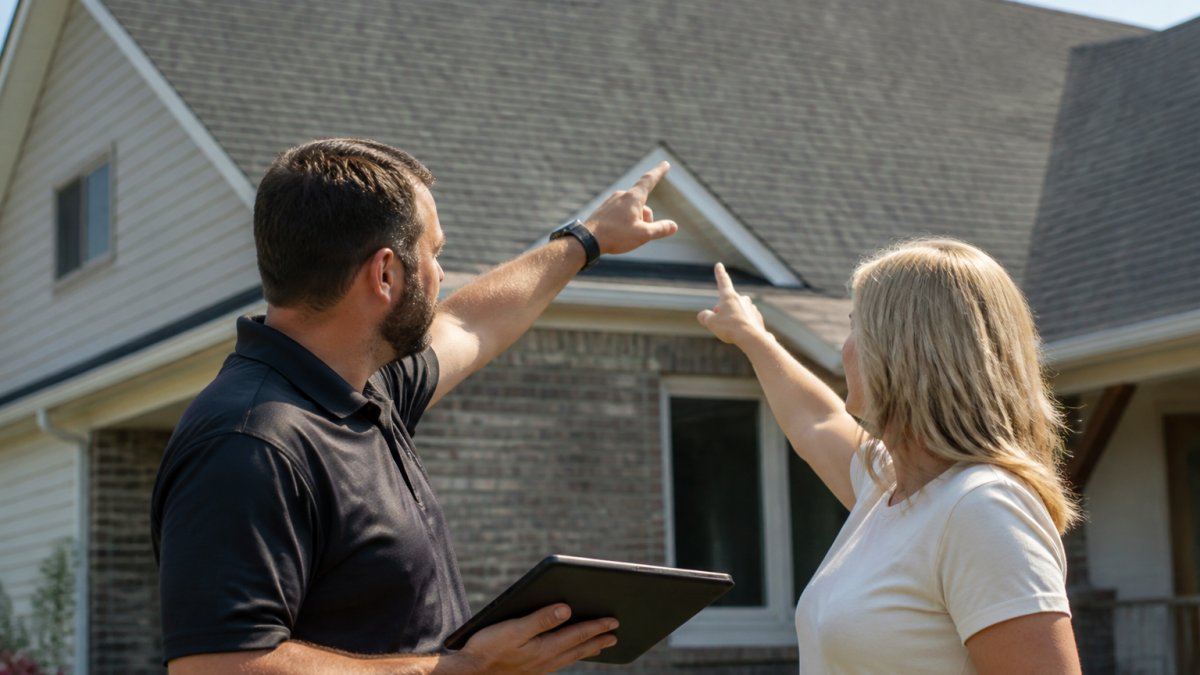
This direct communication matters during insurance claims. Many homeowners face confusing adjuster estimates or feel pressured to accept less than their roof needs. An experienced family-owned contractor can explain why certain repairs are necessary and advocate for your position without bureaucratic delays. You’re not a ticket number, you’re a person with a specific problem.
The personal touch extends to project management. A homeowner with a roof leak needs someone who returns calls the same day, not three days later. Family-owned contractors often handle their own scheduling and can adjust timelines when weather or complications arise. They’re not managing 50 crews across multiple states; they’re managing your roof and a handful of others locally.
Ask the contractor directly: “Will I be working with the same person throughout this project?” If the answer is yes, that’s a strong signal. If you’re handed off to different people at different stages, you’ll spend time re-explaining your concerns.
Local Knowledge and Community Accountability
A contractor who’s operated in your area for years understands your local weather patterns, building codes, and the specific challenges your roof faces. Hail, wind, and snow loads vary significantly by region and even by neighborhood. A family-owned contractor knows what fails in your climate and what holds up.
This local expertise translates to better material choices and installation methods. A roofing system that works in Arizona performs differently in Colorado. A contractor who’s replaced 200 roofs in your community has learned what works through experience, not just training manuals.
Community accountability is real. A family-owned contractor isn’t disappearing after the job; they’re still in your neighborhood next year and potentially for decades. That creates a powerful incentive to handle problems, honor warranties, and maintain a reputation built on actual customer relationships. When someone refers a friend and that friend has a problem, the contractor’s reputation suffers directly.
Local reputation also means you can actually verify claims. Ask neighbors, check with local building departments, look at the contractor’s history in your specific area rather than relying solely on online reviews that may include work from other regions.
Quality Materials, Skilled Workmanship, and Faster Response Times
Family-owned roofing contractors often have established supplier relationships, which can mean better access to quality products and more favorable pricing than a one-time buyer gets. More importantly, they know which suppliers deliver consistent quality and which cut corners.
The workmanship difference shows in details. A crew that’s worked together for years moves efficiently and catches problems newer crews miss. They know the owner personally, so accountability is built into every job. A roofer working for a family business isn’t just collecting a paycheck; they’re representing the family name.
Response times for repairs or follow-up work tend to be faster with family-owned contractors. They’re not juggling massive scheduling systems or waiting on a regional manager’s approval. If you notice water staining six months after installation, a family-owned contractor can often schedule an inspection within days rather than weeks.
Beware of contractors who quote suspiciously low prices or promise unrealistically fast completion. Quality roofing takes time, and cheap materials fail faster. A family-owned contractor willing to discuss why their estimate is what it is is more trustworthy than one offering a deal that seems too good to be true.
How to Choose a Roofing Contractor: Verification and Trust
Choosing a roofing contractor requires more than checking reviews. You need to verify the contractor is licensed, insured, and capable of handling your specific project. Many homeowners stumble here, assuming a professional-sounding contractor with good reviews is automatically trustworthy.
Start with licensing verification. Every state requires roofing contractors to hold a license. Contact your state’s licensing board or your local building department to confirm the contractor’s license is current and in good standing. Check whether there are any complaints filed against them.
Insurance is equally critical. Ask for proof of liability insurance and workers’ compensation coverage, and request to be listed as an additional insured on their liability policy for the project’s duration. This protects you if someone is injured on your property.
For insurance claim work, verify the contractor’s experience with insurance companies. Ask how many claims they’ve handled in the past year and for references from homeowners who went through the claims process with them.
Written estimates matter more than you might think. A detailed estimate should itemize materials, labor, timeline, and warranty coverage, specifying roofing materials by brand and type, not just “asphalt shingles.” Vague estimates often lead to surprises once work begins.
Never hire a contractor based on a single conversation or estimate. Get at least three estimates, verify licensing and insurance for each, and check references before deciding. The time you spend verifying now saves you from problems later.
Questions to Ask a Roofing Contractor Before Hiring
Before signing a contract, ask these questions to understand what you’re getting and how the contractor operates.
**1.
2. Can you provide references from homeowners in my area?
Local references are more valuable than national ones.
3. What’s your process for handling insurance claims?
Ask whether they’ll work directly with your adjuster, help document damage, and advocate if the initial estimate seems low.
4. What materials do you recommend for my roof, and why?
A contractor who explains why one material suits your specific situation is demonstrating expertise.
5. How do you handle problems that come up during the project?
Weather delays, unexpected structural issues, or material availability can complicate roofing work.
6. What’s included in your warranty, and how long does it last?
Warranties vary significantly.
7. How do I reach you if I have questions or problems after the job is complete?
Direct contact is important.
8. Do you offer financing, and what are the terms?
If you need financing, understand the interest rate, payment schedule, and any conditions.
Roofing Contractor Checklist and Roof Replacement Estimate Comparison
Creating Your Contractor Evaluation Checklist
Use this checklist to evaluate contractors systematically. One who checks all these boxes is significantly more likely to deliver quality work and handle problems professionally.
- License verified with state licensing board and current
- Proof of liability insurance provided and you’re listed as additional insured
- Proof of workers’ compensation insurance provided
- Local references provided and contacted
- Detailed written estimate provided (not vague or verbal)
- Materials specified by brand and type, not generic descriptions
- Timeline clearly stated with contingency plan for delays
- Warranty terms explained in writing
- Process for handling insurance claims explained
- Direct contact method provided for post-project issues
- No pressure to decide immediately or pay upfront before work starts
- Contractor willing to discuss their approach and answer questions
Comparing Roof Replacement Estimates Effectively
When you receive multiple estimates, comparing them requires looking beyond the bottom-line price. Here’s how to evaluate them fairly.
| Comparison Factor | What to Look For | Red Flag |
|---|---|---|
| Materials Specified | Brand and type listed (e.g., “GAF Timberline HD shingles”) | Generic “asphalt shingles” with no brand |
| Labor Breakdown | Separate line items for labor and materials | Single lump-sum price with no detail |
| Warranty Coverage | Specific duration and what’s covered (materials, labor, workmanship) | Vague warranty or verbal promises |
| Timeline | Clear start and completion dates with contingency language | “ASAP” or no specific timeline |
| Scope of Work | Details about prep work, removal, disposal, flashing, gutters | Minimal description of what’s included |
| Insurance Documentation | Proof of current insurance provided | Contractor unwilling to provide proof |
When comparing prices, the cheapest estimate isn’t always the best value. A contractor quoting significantly lower may be using lower-quality materials, cutting corners, or rushing the job. The most expensive isn’t necessarily best either; you’re paying for experience and reputation, not premium pricing.
Look for consistency across estimates. If two contractors quote similar prices with similar materials, and one quotes 30% less, ask why. The answer will reveal whether they’re using different materials, different labor methods, or cutting corners.
Homeowners who are comparing multiple contractors and want to make an apples-to-apples decision. This framework prevents you from being swayed by the lowest price alone or from overpaying for unnecessary services.
Long-Term Value and Warranty Protection
The lowest-priced roof replacement often becomes expensive over time. A roof that fails prematurely or requires constant repairs costs far more than the initial savings. A family-owned contractor’s investment in quality materials and workmanship pays dividends over the roof’s lifespan.
Warranty protection matters more than many homeowners realize. A typical asphalt shingle roof lasts 20-25 years with proper installation and maintenance (Resources). The warranty should reflect that lifespan.
Understand who backs the warranty. Material manufacturers typically warranty their products for a set period. Contractors often provide a separate workmanship warranty covering installation quality. Both matter. If the roof fails due to poor installation, the material warranty doesn’t help you.
A family-owned contractor who’s been in business for over a decade and plans to stay in business has incentive to honor warranties. They can’t disappear if problems arise. They’ll be in the community, and their reputation depends on standing behind their work.
Follow-up service and maintenance recommendations are also part of long-term value. A contractor who explains how to maintain your roof, when to schedule inspections, and what to watch for is helping you extend the roof’s life.
Choosing a family-owned roofing contractor means working with someone who has built their reputation on quality and community relationships rather than volume and rapid growth. If you’re ready to work with a contractor who treats your roof like it’s their own, get a free roof inspection and estimate from a team that prioritizes transparency and quality.
Frequently Asked Questions
What are the main benefits of hiring a family-owned roofing contractor?
Family-owned roofing contractors offer personalized attention, local expertise, and genuine accountability. Because their reputation depends on community relationships, they prioritize quality workmanship and customer satisfaction. They typically have established supplier relationships for better material access, respond faster to emergencies, and are invested in long-term customer relationships rather than one-time transactions. Many also provide flexible financing and transparent communication throughout your project.
How do I verify a roofing contractor’s insurance and credentials?
Request proof of current liability insurance and workers’ compensation coverage before hiring. Ask for their license number and verify it with your state’s licensing board. Request references from recent projects and contact them directly. A reputable family-owned contractor will provide this information readily and encourage you to verify their credentials. Ask about warranties on materials and workmanship, and get everything in writing.
What questions should I ask a roofing contractor before hiring?
Ask about their experience with your specific roofing type, how they handle insurance claims, their timeline for project completion, warranty coverage, payment terms, and whether they handle cleanup and disposal. Ask for a detailed written estimate, their licensing and insurance status, and references from similar projects. For storm damage, ask how they document damage for insurance purposes and whether they advocate for fair claim settlement.
Should I get multiple roofing estimates before deciding?
Yes, comparing roof replacement estimates from at least two or three contractors helps you understand fair pricing and service differences. Look for consistency in scope and materials across estimates. Beware of estimates that are significantly lower than others, as this may indicate corner-cutting. Use estimates to compare not just price but also timeline, warranty terms, and the contractor’s communication style and professionalism.
