
Table of Contents
- Understanding Colorado’s Siding Challenges
- Siding Materials Pros and Cons for Colorado Climates
- Hail-Resistant Siding Options
- Durability and Expected Lifespan by Material
- Siding Replacement Cost and Budget Planning
- How to Choose the Right Siding for Your Home
- Frequently Asked Questions
Last Updated: October 17, 2026
Understanding Colorado’s Siding Challenges
Understanding how to choose siding for Colorado homes requires grasping the unique climate pressures your exterior will face. Elevation, temperature swings, intense UV exposure, and severe weather create demands not every material handles equally well.
Colorado’s climate delivers simultaneous stressors: sub-zero winters, intensified high-elevation UV, sudden hail, 70+ mph wind gusts, and snowmelt and spring rain. A material that performs beautifully in mild climates can fail within years here.
Siding Materials Pros and Cons for Colorado Climates
Vinyl Siding
Vinyl siding dominates the residential market because it’s affordable, low-maintenance, and comes in endless colors and profiles. For Colorado homeowners, it offers real advantages and real limitations.
Vinyl resists rot, needs no painting, and resists insects. It handles moisture well when properly installed, and UV-stabilized vinyl won’t fade as quickly as it did decades ago.
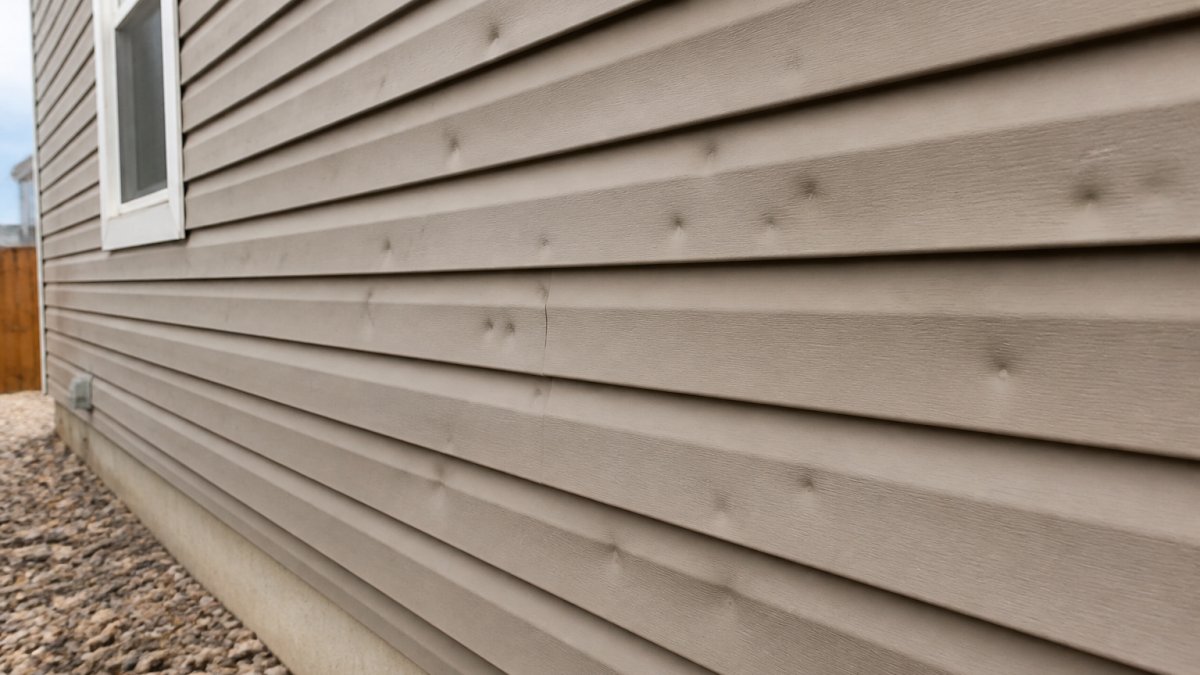
The critical weakness is impact resistance. Colorado hail regularly dents vinyl, a single large hailstone can create a permanent dimple, and multiple impacts can compromise an entire wall.
Vinyl’s other limitation is that it’s a cosmetic layer, not structural. If moisture penetrates behind it, it can sit against your sheathing and insulation, causing hidden damage.
Wood and Cedar Siding
Wood siding, particularly cedar, offers natural beauty and genuine structural performance. Cedar’s natural oils resist decay and insects, it provides some insulation value, and it allows your home to breathe.
The trade-off is maintenance. Wood in Colorado needs annual inspection for splits and caulking, plus repainting every 5-7 years, since intense UV breaks down paint faster than in milder climates.
Wood is also vulnerable to hail, large hailstones can dent or split cedar, though damage is often repairable. Cedar costs significantly more than vinyl, and ongoing maintenance expenses add up.
For homeowners willing to maintain their siding and who value natural wood’s aesthetic and performance, cedar can last 20-40 years in Colorado.
Fiber Cement Siding vs Vinyl Siding
Fiber cement offers a middle ground between vinyl’s low maintenance and wood’s performance. Fiber cement siding vs vinyl siding represents a fundamental choice about priorities: cost and ease versus durability and performance.
Made from Portland cement, sand, and cellulose fibers, fiber cement is much denser than vinyl and far more impact-resistant, hailstones that dent vinyl won’t mark it.
The trade-offs are weight and cost. Fiber cement is heavy, so installation takes more labor and sometimes additional structural support, and it costs 2-3 times more than vinyl.
Metal Siding
Metal siding, aluminum or steel, offers durability and a distinctive aesthetic. It resists hail far better than vinyl, aluminum won’t rust in Colorado’s dry climate, and steel is extremely durable when its protective coating is maintained.
Metal is lightweight, making installation easier than fiber cement, and it’s recyclable. It can be painted virtually any color and won’t rot, warp, or split.
The limitations are cost and noise. Metal costs more than vinyl but typically less than fiber cement. It conducts sound, so rain and hail are noisy inside unless insulation is installed behind the panels.
Metal is a solid choice for Colorado homeowners who prioritize durability and don’t mind the look. Properly installed metal siding lasts 30-50 years with minimal maintenance.
Stone and Masonry Siding
Stone and masonry siding, including brick veneer, stone veneer, and stucco, represent the highest-performance option for Colorado. These materials are essentially indestructible. Hail doesn’t damage them. UV exposure doesn’t degrade them.
Stone and masonry add genuine structural value.
The trade-offs are significant cost and installation complexity. Stone and masonry is the most expensive option, often 3-5 times the cost of vinyl.
Stone and masonry suit homeowners who plan to stay long-term and can afford the upfront investment, the material will outlast the home itself.
Pros: Indestructible, hail-proof, UV-proof, adds structural value, fire-resistant, lifelong durability, no maintenance
Cons: Highest upfront cost, requires skilled installation, heavy (requires structural support), mortar maintenance needed periodically, longer installation timeline
| Material | Hail Resistance | Maintenance | Lifespan | Cost Level |
|---|---|---|---|---|
| Vinyl | Low | Minimal | 15-20 years | Low |
| Wood/Cedar | Moderate | High | 20-40 years | High |
| Fiber Cement | High | Moderate | 25-40 years | Moderate-High |
| Metal | High | Low | 30-50 years | Moderate |
| Stone/Masonry | Excellent | Minimal | 50+ years | Very High |
Hail-Resistant Siding Options
Colorado hail is a real concern, a single severe storm can damage thousands of homes. If hail resistance is your priority, your options narrow significantly.
Fiber cement, metal, stone, and masonry all resist hail effectively; vinyl does not. In areas with frequent or severe hail, choosing vinyl means accepting you’ll repair or replace siding after major storms.
Hail resistance also matters for insurance. Some carriers offer discounts for impact-resistant roofing and siding, so when choosing between materials with similar costs, hail-resistant options can reduce long-term insurance expenses. Ask your agent about impact-resistance credits.
Installation quality also affects hail resilience: loose or improperly fastened siding is more vulnerable to wind and impact, and proper flashing and caulking prevent water intrusion if impact occurs. Confirm your contractor understands Colorado’s climate demands and follows best practices for fastening, flashing, and sealing.
Durability and Expected Lifespan by Material
Lifespan varies dramatically by material and installation quality, well-installed fiber cement can last 40 years, while poorly installed vinyl might fail in 12.
Vinyl typically lasts 15-20 years in Colorado.
Wood lasts 20-40 years depending on maintenance. Regularly inspected, caulked, and repainted cedar can last 40 years; neglected cedar might fail in 15.
Fiber cement lasts 25-40 years.
Metal lasts 30-50 years. Aluminum doesn’t degrade, and properly maintained steel is extremely durable.
Stone and masonry are effectively permanent. Brick and stone don’t degrade. Mortar joints may need repointing after 50-75 years, but the material will outlast the home.
These lifespans assume proper installation and typical Colorado exposure.
Siding Replacement Cost and Budget Planning
Siding replacement is a major expense. Budget planning requires understanding both material costs and installation labor.
Your total project cost depends on:
- Square footage of exterior wall area
- Material choice
- Existing siding condition (removal and disposal add cost)
- Accessibility (multi-story homes cost more to install)
- Trim, flashing, and detail work required
- Regional labor rates
For accurate pricing on your specific project, contact Sunset Restoration for a detailed assessment. We’ll evaluate your home’s condition, discuss your priorities, and provide transparent cost estimates.
When budgeting, consider lifecycle cost, not just upfront cost. Vinyl costs less initially but needs replacement sooner; fiber cement costs more upfront but lasts longer with less maintenance. Over 40 years, fiber cement often costs less per year than vinyl.
If cash flow is a concern, ask about financing. Sunset Restoration offers flexible financing, including interest-free options for qualified homeowners, so you can move forward without delaying necessary work.
How to Choose the Right Siding for Your Home
Climate Zone and Elevation Considerations
Colorado’s climate varies significantly by region and elevation. Denver sits at 5,280 feet. Mountain communities exceed 10,000 feet. Eastern plains are drier than mountain areas.
At higher elevations, UV intensifies: wood degrades faster and paint fails sooner, so UV-resistant materials, fiber cement, metal, stone, perform better.
In hail-prone areas, impact-resistant materials are essential. The Front Range sees more hail than western Colorado, and vinyl is a poor choice there.
Wind exposure varies too: mountain passes and exposed ridges see stronger winds than sheltered valleys, and wind-driven rain is more damaging in high-wind areas.
Understand your specific microclimate: ask neighbors what siding failures they’ve seen and consult local contractors, who know which materials perform well in your area.
Aesthetic and Home Style Alignment
Siding should complement your home’s architecture and neighborhood character. Vinyl offers unlimited colors and profiles, fiber cement can mimic wood grain or be painted any color, metal has a distinctive look that suits some homes, and stone and masonry have timeless appeal.
Your home’s style should guide your choice: a historic home might call for wood or wood-look fiber cement, a modern home might suit metal or smooth fiber cement, and a traditional home often looks best with brick or stone.
Curb appeal matters. Siding is the largest visible surface on your home. The right choice enhances your home’s appearance and your neighborhood’s overall character.
Maintenance Requirements and Long-Term Care
Be honest about your willingness to maintain siding. For minimal maintenance, vinyl or metal are practical, understanding vinyl has a shorter lifespan. If you’re willing to maintain your home, wood or fiber cement offer better long-term value.
Maintenance includes:
- Annual inspection for damage, gaps, and caulking failure
- Caulking and sealing as needed
- Painting or staining (wood every 5-7 years; fiber cement every 10-15)
- Cleaning to remove mold, mildew, or dirt
- Fastener checks and tightening if needed
If you’re not inclined toward regular maintenance, choose a material that doesn’t require it. If you enjoy maintaining your home and want the best performance, wood or fiber cement are worth the effort.
Learning how to choose siding for Colorado homes means balancing upfront cost, long-term durability, maintenance commitment, and climate performance, the material that’s right for your neighbor might not be right for you. When you’re ready to move forward with siding replacement or repair, get a quote from Sunset Restoration and let our experienced team guide you through the process with transparency and care.
Frequently Asked Questions
How do I choose the right siding for Colorado weather?
Start by assessing your climate zone and elevation, as these determine freeze-thaw stress and hail exposure. Fiber cement and metal siding offer superior hail resistance compared to vinyl. Consider maintenance demands: wood requires regular painting and staining, while vinyl and fiber cement need minimal upkeep. Evaluate your budget for both upfront installation and long-term repair costs. Consulting with a local contractor familiar with Colorado conditions helps match material selection to your specific exposure.
What’s the difference between fiber cement siding vs vinyl siding in Colorado?
Fiber cement is more durable in freeze-thaw cycles and resists hail better than vinyl, making it ideal for high-elevation areas. It maintains color longer and doesn’t become brittle in cold temperatures. Vinyl is more affordable upfront and easier to install, but extreme cold can cause cracking and UV exposure fades color faster at high altitude. Fiber cement requires periodic painting, while vinyl typically needs only washing. For Colorado’s weather extremes, fiber cement offers superior performance despite higher initial cost.
Which siding materials are most hail-resistant?
Metal siding (aluminum and steel) and fiber cement rank highest for hail resistance. Both withstand impact without denting or cracking. Vinyl and wood are most vulnerable to hail damage. If your property is in a hail-prone zone, choosing metal or fiber cement can reduce insurance claims and long-term repair costs. Some insurers offer premium discounts for impact-resistant materials, offsetting the higher upfront investment.
How much does siding replacement cost in Colorado?
Siding replacement cost depends on material choice, home size, labor availability, and local installation complexity. Vinyl is typically the most budget-friendly option, while fiber cement and metal cost more but last longer. Prices also vary by elevation and regional demand. For accurate pricing tailored to your specific home and material preference, contact a local contractor for a detailed estimate. Many contractors offer flexible financing to help spread costs over time.
How often should I replace siding?
Wood siding lasts 15-40 years depending on maintenance, fiber cement 25-40 years. Colorado’s freeze-thaw cycles and UV exposure at high altitude can shorten lifespan. Hail damage may require earlier replacement in affected areas. Regular inspection after storms and maintenance of caulking and seals extends life. If you notice widespread fading, cracking, warping, or moisture damage, replacement may be necessary sooner than the typical timeframe.
What should I look for when comparing siding materials?
Compare durability ratings, expected lifespan, maintenance requirements, weather resistance (especially hail and freeze-thaw performance), color retention, energy efficiency, and warranty coverage. Review how each material performs at your elevation and in your climate zone. Get multiple contractor estimates and ask about installation quality, as poor installation can compromise performance. Check if materials qualify for insurance discounts. Consider both upfront cost and lifecycle cost, factoring in maintenance, repairs, and eventual replacement.
Does siding choice affect my homeowner’s insurance?
Yes. Impact-resistant materials like metal and fiber cement often qualify for insurance discounts because they resist hail damage better than vinyl or wood. Some insurers offer 5-15% discounts for homes with impact-resistant exterior materials. Hail-resistant siding reduces the likelihood of claims, which can lower your premiums over time. Contact your insurance agent before choosing materials to understand what discounts apply. In high-hail-risk areas, the premium savings from impact-resistant siding can offset the higher material and installation cost.
