
Table of Contents
- Why Native Roofing Alternatives Matter in Denver
- Hail-Resistant Roofing Options for Storm-Prone Areas
- Material Durability in High-Altitude Climates
- Energy Efficiency and Thermal Performance
- How to Choose a Roofing Contractor You Can Trust
- Understanding Roof Replacement Cost Estimates
- Native-Inspired Materials and Regional Aesthetics
- Frequently Asked Questions
Last Updated: September 30, 2026
Why Native Roofing Alternatives Matter in Denver
Denver’s hail storms, intense UV exposure, and high-altitude temperature swings demand roofing materials built to withstand these conditions. Native roofing alternatives for Denver align with both climate performance and regional architectural character.
Most homeowners default to asphalt shingles, but materials like clay tile, slate, and impact-rated composites offer superior durability in high-altitude climates while honoring Colorado’s architectural heritage. The right material choice reduces long-term maintenance costs and protects your investment through decades of Colorado weather.
Native roofing alternatives deliver practical performance: clay tile withstands hail better than asphalt, metal roofing sheds snow and ice effectively, and slate alternatives provide UV resistance critical at 5,280 feet elevation.
Hail-Resistant Roofing Options for Storm-Prone Areas
Hail damage is the leading cause of roof claims in Colorado. Hail-resistant roofing options use impact-rated materials that absorb hail force without cracking or puncturing.
Impact-rated asphalt shingles contain reinforced fiberglass and specialized adhesives to resist hail. They cost more than standard shingles but less than metal or tile, and many insurers offer premium discounts that offset the initial investment.
Metal roofing flexes under hail impact rather than fracturing, leaving only cosmetic dents where asphalt shingles would puncture. Metal also provides superior wind resistance and lasts 40-60 years compared to 15-25 years for asphalt.
Clay and concrete tile offer exceptional hail resistance through density and thickness. A hail stone that destroys asphalt shingles bounces off tile. The trade-off is weight and installation complexity requiring reinforced roof structure.
Homes with hail-resistant roofing often qualify for lower insurance premiums and stronger claim positions after storm damage.
Material Durability in High-Altitude Climates
High-altitude environments accelerate material degradation through intensified UV radiation, extreme temperature swings, and freeze-thaw stress. Understanding how materials respond to these conditions is essential for choosing native roofing alternatives that last.
Asphalt shingles deteriorate faster at elevation due to UV exposure and temperature fluctuations that loosen granules. In Denver’s climate, they typically show significant wear within 12-15 years, driving up replacement frequency and long-term costs.
Metal roofing excels in high-altitude conditions, resisting UV degradation and handling thermal expansion through engineered fastening. It sheds moisture and snow efficiently, lasting 40-60 years with minimal maintenance.
Clay and concrete tile have centuries of proven performance in high-altitude regions. Tile resists UV degradation and freeze-thaw cycles, requiring only occasional mortar repointing and proper ventilation.
Slate alternatives, engineered composites mimicking slate’s appearance, resist UV degradation and thermal stress with superior longevity compared to asphalt, though real slate remains the durability gold standard at higher cost.
Energy Efficiency and Thermal Performance
Roofing material choices affect heating and cooling costs. Understanding thermal performance and realistic efficiency gains helps balance energy savings against material cost and durability.
Solar Reflectance and Summer Cooling
In Denver’s 300+ sunny days annually, light-colored roofing reduces summer heat absorption. Solar reflectance, the percentage of solar radiation bounced back, directly impacts cooling costs.
Metal roofing with reflective coatings achieves 0.60-0.80 solar reflectance ratings, reducing cooling energy by 10-25% compared to dark asphalt shingles (0.05-0.15 reflectance).
Clay and concrete tile provide moderate solar reflectance (0.30-0.50) and thermal mass benefits that moderate interior temperature swings.
Asphalt shingles, particularly dark varieties, absorb most solar radiation and transfer heat directly into the attic space. This drives up cooling costs and accelerates shingle degradation from thermal stress.
Thermal Mass and Winter Performance
Thermal mass materials like clay and concrete tile absorb solar heat during sunny winter days and release it slowly, reducing heating load in homes with south-facing roofs and adequate attic insulation.
The winter benefit is modest compared to summer savings. A well-insulated attic (R-38 or higher) provides greater heating efficiency than roofing material choice alone.
Metal roofing provides minimal thermal mass benefit but excels at shedding snow and ice, which improves winter performance indirectly. Snow and ice accumulation on asphalt and tile roofs increases heat loss through the roof assembly. Metal’s smooth surface and thermal expansion properties shed snow more effectively, reducing this penalty.
Altitude-Specific Thermal Dynamics
Denver’s 5,280-foot elevation creates unique thermal conditions: UV intensity is approximately 8% higher than sea level, intensifying both the cooling benefit of reflective materials and degradation risk of dark materials.
Extreme temperature swings at altitude stress roofing materials, increasing the value of thermally stable materials like metal and tile that handle expansion and contraction without degradation.
Ventilation: The Overlooked Efficiency Factor
Proper attic ventilation matters more than roofing material for overall energy performance. A well-ventilated attic with soffit and ridge vents often provides greater energy savings than roofing material choice.
When choosing native roofing alternatives for Denver, pair material selection with professional assessment of attic ventilation and insulation. A well-ventilated attic with quality insulation (R-38 minimum) delivers strong energy performance regardless of roofing material.
Realistic ROI on Energy Efficiency
Energy savings from roofing material choice can contribute to a meaningful but gradual return.
The stronger financial case for premium materials comes from durability and reduced replacement frequency. Combined with energy savings and insurance discounts, the total benefit becomes compelling.
Prioritize attic insulation and ventilation improvements first for faster ROI. When roof replacement is necessary, choose a reflective material that provides durability and energy benefits.
How to Choose a Roofing Contractor You Can Trust
Installation quality determines whether your roof delivers promised durability and performance. Evaluate contractor credentials, local experience, and commitment to transparent communication.
Verify contractor licensing through the Colorado Department of Regulatory Agencies and check references from recent local projects. Ask specifically about experience with hail damage claims and insurance restoration work.
A trustworthy contractor explains options clearly, provides detailed written estimates, and discusses warranty coverage. Red flags include pressure to decide quickly, dramatically lower prices, or discouragement from getting multiple quotes.
Your contractor should help document damage, communicate with your insurance adjuster, and negotiate fair settlements. An experienced contractor familiar with local market conditions can bridge gaps between initial estimates and actual repair costs.
Ask about financing options. Flexible financing, including interest-free options for qualified homeowners, makes necessary repairs accessible without delaying critical work.
Understanding Roof Replacement Cost Estimates
Roof replacement cost estimates vary dramatically based on material choice, roof complexity, and local labor rates. Understanding what drives these costs and how to evaluate long-term value, not just upfront price, helps you make decisions that protect your investment over decades.
Upfront Material and Installation Costs
Asphalt shingle replacement typically represents the lowest cost option. Material costs are minimal, and installation is straightforward. However, low upfront cost masks significantly higher long-term expenses. Asphalt shingles in high-altitude climates typically require replacement every 12-15 years, meaning a homeowner will face 2-3 additional replacement cycles over a 40-year period.
Metal roofing costs more initially but delivers superior value over time. Material costs are higher, and installation requires specialized expertise. The critical advantage is lifespan: a metal roof lasts 40-60 years with minimal maintenance beyond occasional gutter cleaning and fastener inspection.
Clay and concrete tile carry the highest upfront costs due to material expense and installation complexity. Roof structure reinforcement is often necessary to handle tile weight. For homeowners committed to long-term durability and regional aesthetic alignment, tile provides unmatched longevity and performance.
Lifecycle Cost Analysis: The Real Financial Picture
Comparing materials by upfront cost alone misses the true financial impact. Consider a 40-year ownership timeline:
Comparing materials by upfront cost alone misses the true financial impact. Consider a 40-year ownership timeline:
Over a 40-year period, metal roofing can offer significant savings compared to asphalt despite higher upfront cost. Clay tile, while more expensive than metal initially, can match or beat asphalt’s lifecycle cost while providing superior durability and aesthetic value.
Insurance and Storm Damage Considerations
Hail damage claims complicate cost analysis. Homeowners with standard asphalt roofs in hail-prone areas face higher insurance premiums and increased out-of-pocket costs when storms occur. Many insurers offer premium discounts for homes with impact-rated or hail-resistant roofing. Over a 40-year period, these discounts can further improve the financial case for durable materials.
After a major hail event, asphalt shingles often require full replacement even if damage is partial, while metal and tile roofs typically need only localized repairs. This repair-versus-replace dynamic significantly affects long-term costs for homeowners in storm-prone areas.
Cost Estimates and Contractor Quotes
Reputable cost estimates should itemize materials, labor, permits, and disposal separately. Labor typically comprises 40-60% of total roof replacement cost. Specialized materials like metal and tile require experienced installers, which justifies higher labor costs but ensures proper performance.
When comparing quotes, ensure scope is identical across contractors. Suspiciously low estimates often indicate corner-cutting on material quality, inadequate underlayment, or rushed installation that compromises durability. Get multiple quotes from licensed contractors and ask specifically about warranty coverage, both manufacturer warranties on materials and workmanship guarantees on installation. A contractor confident in their work typically offers workmanship warranties.
Financing options matter for larger upfront investments. Some contractors offer interest-free financing for qualified homeowners, making premium materials accessible without delaying necessary repairs.
Native-Inspired Materials and Regional Aesthetics
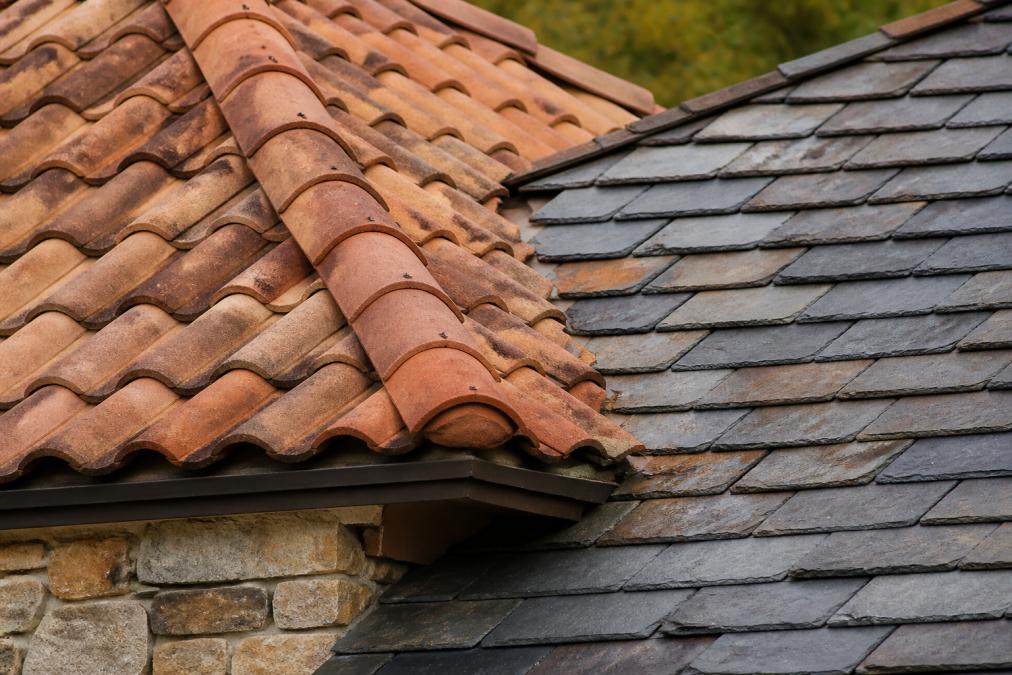
Denver’s architectural heritage features clay tile, slate, and earth-toned materials that complement the surrounding landscape. Native roofing alternatives for Denver honor this tradition while meeting modern performance standards. Choosing materials that align with regional aesthetics enhances curb appeal and property value.
Frequently Asked Questions
What are the most durable roofing materials for high-altitude climates?
Metal roofing, impact-rated asphalt shingles, and slate alternatives excel in high-altitude conditions where UV exposure and temperature fluctuations are extreme. Metal offers superior longevity (50+ years) and handles hail well. Impact-rated shingles provide Class 4 hail resistance. Slate alternatives deliver comparable durability without the weight concerns. Your choice depends on your budget, aesthetic preference, and specific storm exposure in your area.
Are there hail-resistant roofing options available for local homes?
Yes. Impact-rated asphalt shingles (Class 3 or 4), metal roofing, and composite materials all provide hail-resistant protection. Class 4 impact-rated shingles are engineered to withstand hail up to 2 inches in diameter. Metal roofing naturally resists hail damage and is often preferred in storm-prone areas. Your insurance may offer discounts for hail-resistant materials, which can offset the initial cost difference.
How much does a roof replacement typically cost?
Roof replacement cost estimates depend on roof size (measured in squares), material choice, labor, local building codes, and structural repairs needed. Asphalt shingles are most affordable; metal and slate alternatives cost more upfront but last longer. Insurance coverage for storm damage can significantly reduce your out-of-pocket expense. Contact a licensed contractor for a detailed estimate based on your specific roof and material preferences.
What should I look for when choosing a roofing contractor?
Verify licensing, insurance, and references from recent local projects. Ask how they handle insurance claims and whether they advocate for fair settlements. Request warranty details in writing. Choose a contractor with transparent communication who explains your options clearly. Family-owned businesses with 10+ years of experience often provide personalized attention and accountability that larger operations may not offer.
